
Define readiness before the final week of the project
Begin with the destination team and the work it must perform on day one. Ask operations, facilities, asset management and the occupant coordinator what records, training, access and responsibilities they need. Make the acceptance criteria part of the project plan rather than a list invented at practical completion.
Separate physical completion from the evidence that a space can be used as intended. Required inspections or occupancy permissions remain the responsibility of the relevant authority or professional. A project status label cannot supply them. Track partial handovers explicitly so one accepted area does not conceal work, conditions or access restrictions elsewhere.
Turn the handover package into an owned worklist
A folder of manuals is useful only if the receiving team can connect it to the asset, equipment or obligation it governs. For each item, name the receiving owner, acceptance status and unresolved question. Include record references, training status, access arrangements, defects and warranty responsibility where relevant to the actual project.
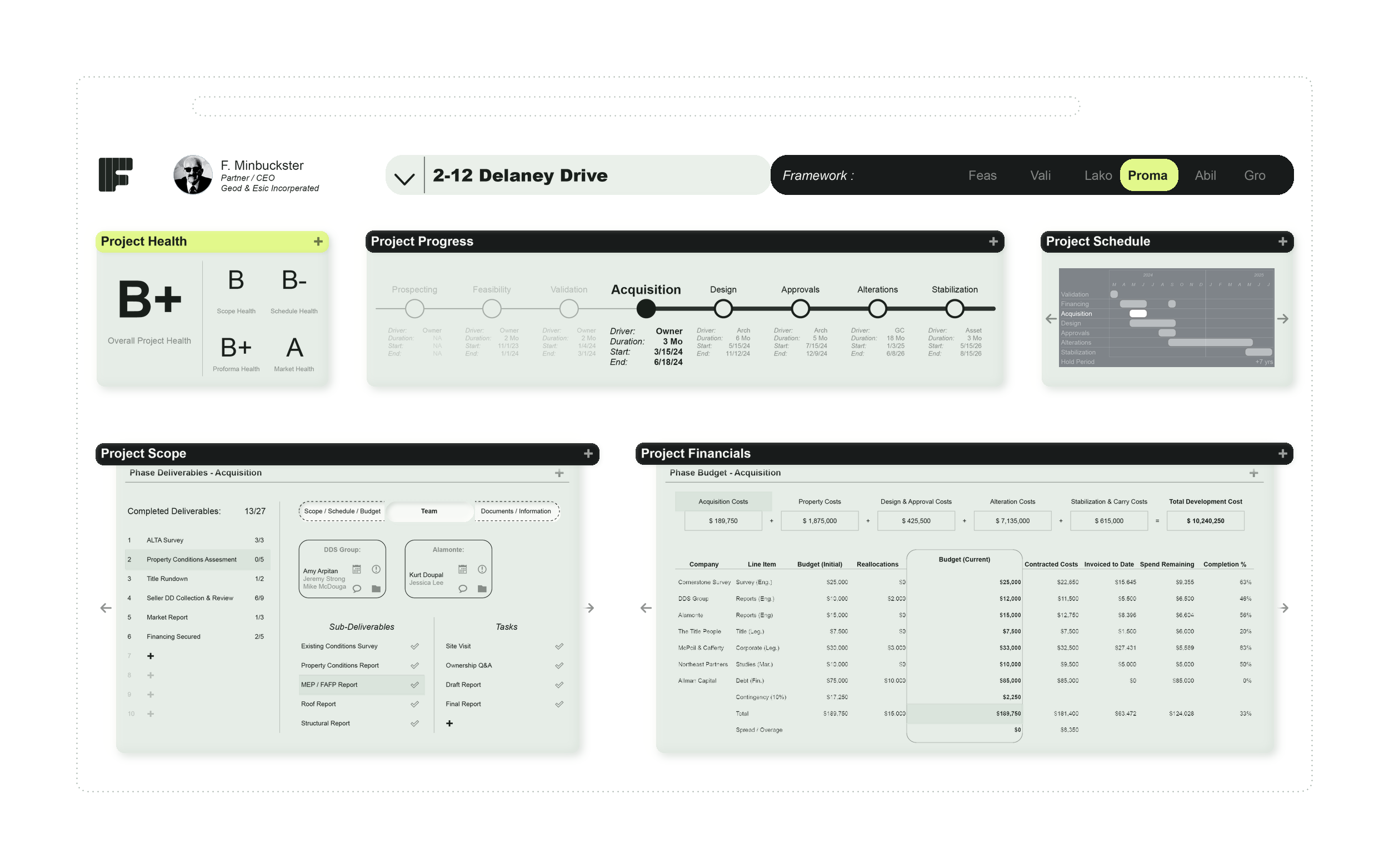
Use one representative open item to test the process. Identify who completes it, who verifies the evidence and who accepts the outcome. Retain the date and reason for rejection or conditional acceptance. The intended PROMA-to-ABIL handoff in Fuller separates project delivery from transition and stabilization; it should preserve open obligations instead of making them disappear when the delivery team closes its dashboard.
Keep occupant coordination and asset acceptance distinct
The owner’s operating team and the occupant need related but different information. A workplace coordinator may need move dates, access windows and an approved setup plan; the asset manager may need accepted areas, final equipment records and business-plan changes. Personal or tenant-private information should not be copied indiscriminately into owner records.
Fuller’s proposed Hover interfaces connect space selection in ACE, setup and move coordination in FIT, and daily occupancy in OCU. ABIL addresses owner-side transition, while UME is the intended destination for accepted asset changes. Ask an evaluator to demonstrate how a proposed project change becomes an authorized update, with the previous state retained. Stabilization alone should not silently rewrite the asset baseline.
Test the transfer with the people who inherit it
Use a sample handover with one completed area, an unresolved defect and a pending operating record. Ask the receiving manager to find the controlling information and explain the next action without help from the project manager. Then test whether the occupant coordinator sees the necessary setup information without seeing unrelated confidential records.
Measure missing items, acceptance delays and post-handover rework against an agreed starting point. Keep a named owner for each outstanding obligation and define when the temporary project team can actually step back. Fuller’s designs provide a way to discuss this lifecycle, not evidence that the full transfer is operational today. MVP access remains locked; product availability, permissions and any supported data exchange need confirmation before a pilot.
Where this fits in Fuller
Fuller is presented here through its interface concepts and intended workflows. MVP access is currently locked. Registering interest does not create an account or provide access; availability, supported connections and a pilot scope must be confirmed before an evaluation.
Questions to ask before choosing software
Is practical completion the same as operating readiness?
No. Physical completion, statutory or professional acceptance where applicable, team readiness and stable operation answer different questions. Define the evidence and decision owner for each milestone.
What should a property handover checklist contain?
It should reflect the actual project and receiving team: accepted records, responsibilities, access, training, defects, warranties and outstanding conditions. Every unresolved item needs an owner and a next action.
When should project changes update the asset record?
After the final changes have been reconciled, conflicts resolved and the designated authority has accepted the update. Proposed scope, physical completion and stabilization should remain distinct from accepted asset changes.
Where do occupants enter the process?
Occupants participate in agreed space, setup, move and service handoffs. Their private records and authority remain separate from the owner’s project and asset responsibilities.
Tell us what you’re working on.
MVP access is currently locked. Register your interest and describe the work you want to connect.
Register interest in this workflow ↗